What to Know Before Buying Land for Your Barndominium (and How to Finance the Build)
Building a barndominium is an exciting process, but before the walls go up, the most important decisions happen long before construction starts. Finding the right property and choosing the right financing can make or break your project, and many people don’t realize how much planning is involved until they’re already in the thick of it.
This guide breaks everything down in a simple, approachable way so you know what to look for, what to avoid, and how to set yourself up for a smooth build.
Choosing the Right Property
When you start thinking about land, it’s important to think about location first. Where you build will determine which regulations apply, how long the permitting process takes, and what the township will or won’t allow. In states like Pennsylvania and Maryland, stormwater and zoning approvals can add a year or more to your timeline.
Instead of waiting to find land before talking to a builder, start both processes at the same time. When your design is already underway, you can move much faster once you have a lot identified, and designs can usually be adjusted to fit the property.
One of the best ways to simplify the land search is by working with a realtor who understands land, not just residential homes. A knowledgeable realtor can find multiple options, verify zoning, and help you avoid properties with hidden problems.

What to Look for When Evaluating Land
Before committing to a property, take a closer look at the details that affect your budget and your build.
Zoning
Make sure the zoning actually allows a new home or barndominium. Check township or county GIS maps for confirmation.
Access & Driveway
Long or steep driveways can significantly increase site costs. Some properties require switchbacks or extensive grading just to reach the homesite.
Utilities
Find out whether the property has access to public sewer or if it will require septic. In Maryland, you cannot build without passing a perk test. Wells, electric access, and water lines also impact cost.
Land Clearing & Grading
Heavily wooded or sloped lots require more excavation work. Clearing trees and creating a flat building pad can add tens of thousands of dollars.
Floodplains, HOAs & Easements
These can create delays or limit what you’re allowed to build. Be extra cautious with properties that seem like “the last available lot” in a subdivision—they are usually the most complicated.
Existing Structures
Old barns, garages, and homes can be a benefit. Existing wells, septic systems, or utility hookups can save money and simplify approvals.
Understanding Barndominium Financing
Financing a barndominium is much easier today than it used to be. Many lenders now understand these structures and treat them similar to traditional custom homes, especially when they’re built on full concrete foundations with no wood in the ground.
Common loan options include:
Conventional construction-to-permanent loans
FHA construction loans
USDA loans (location-dependent)
VA loans (possible with extra documentation)
Whichever route you choose, the bank will want to see:
A full set of drawings
A detailed construction estimate
Site development planning
Builder approval with the lender
Construction insurance coverage
The biggest challenge for most buyers is not the home itself, it's the site development. Driveways, stormwater systems, wells, septic, and utilities can add $80,000–$150,000+ depending on the property. Building in financial buffers early is essential.
Finding the right piece of land doesn’t have to feel overwhelming. When you understand the basics, zoning, utilities, access, soil conditions, and long-term plans - you can move forward with confidence instead of guesswork. Whether you’re dreaming of a barndominium, a homestead, or a future investment property, taking the time to evaluate a potential lot upfront will save you stress, money, and surprises later.
At JJ Builders, we’re here to guide you through the process, connect you with trusted partners, and help you turn the right piece of land into the place you’ve always envisioned. When you’re ready, we’re ready to build it.
FAQ: Land + Barndominium Financing
Do I need to find land before contacting a builder?
No. It’s best to design your home and search for land at the same time so you’re not waiting months once you secure a lot. Your design can be adjusted to fit any property.
How many acres do I need for a barndominium?
Most clients look at 1–3 acre lots, but the ideal size depends on your layout, septic requirements, and privacy preferences.
Can every property pass a perk test?
No. Some land can’t support septic at all. In Maryland especially, no perk means no building.
Are barndominiums harder to finance?
Not anymore. With proper drawings and a qualified builder, most lenders view them the same as any custom home.
What surprises people most about land costs?
Site development. Clearing trees, installing a driveway, stormwater control, and utilities often cost more than expected.
Should I consider a property with an old building on it?
Yes—it may already have utilities or approvals in place, which can save time and money.
What zoning should I look for?
It varies by township, but the key is making sure a residential structure is allowed. Always confirm zoning before making an offer.
Ready to turn your dream barndominium into reality? Contact us now!
Ready to start your next custom build?
Recent Posts
Get answers to 35 common pole barn questions, from permits and costs to construction, customization, maintenance, and warranties.
Learn the 7 warning signs that your barndominium may need attention, from moisture and rust to roof issues, cracks, drafts, and pest activity.
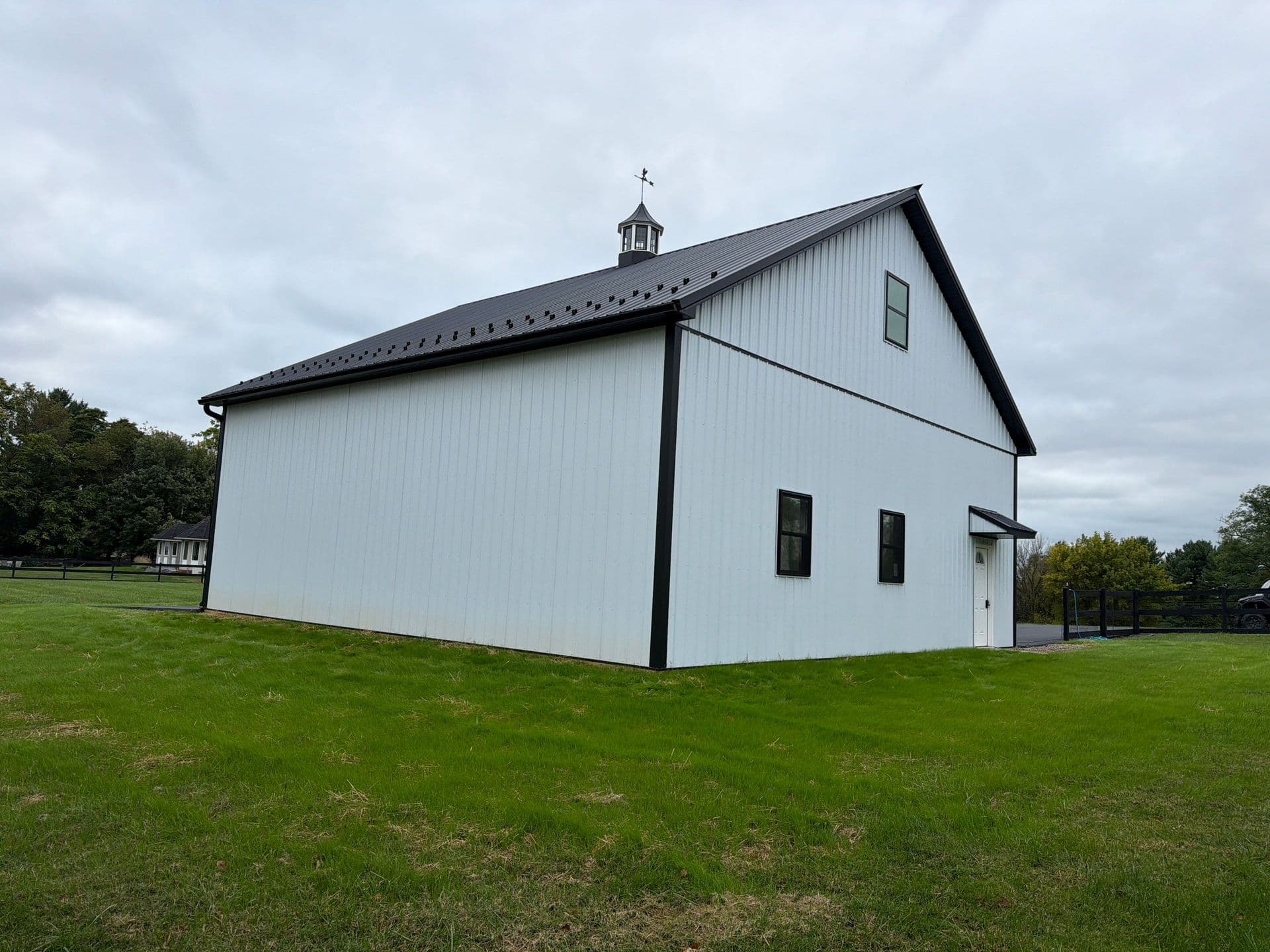
Property owners across Pennsylvania, Maryland, and New Jersey are discovering that barndominiums offer...
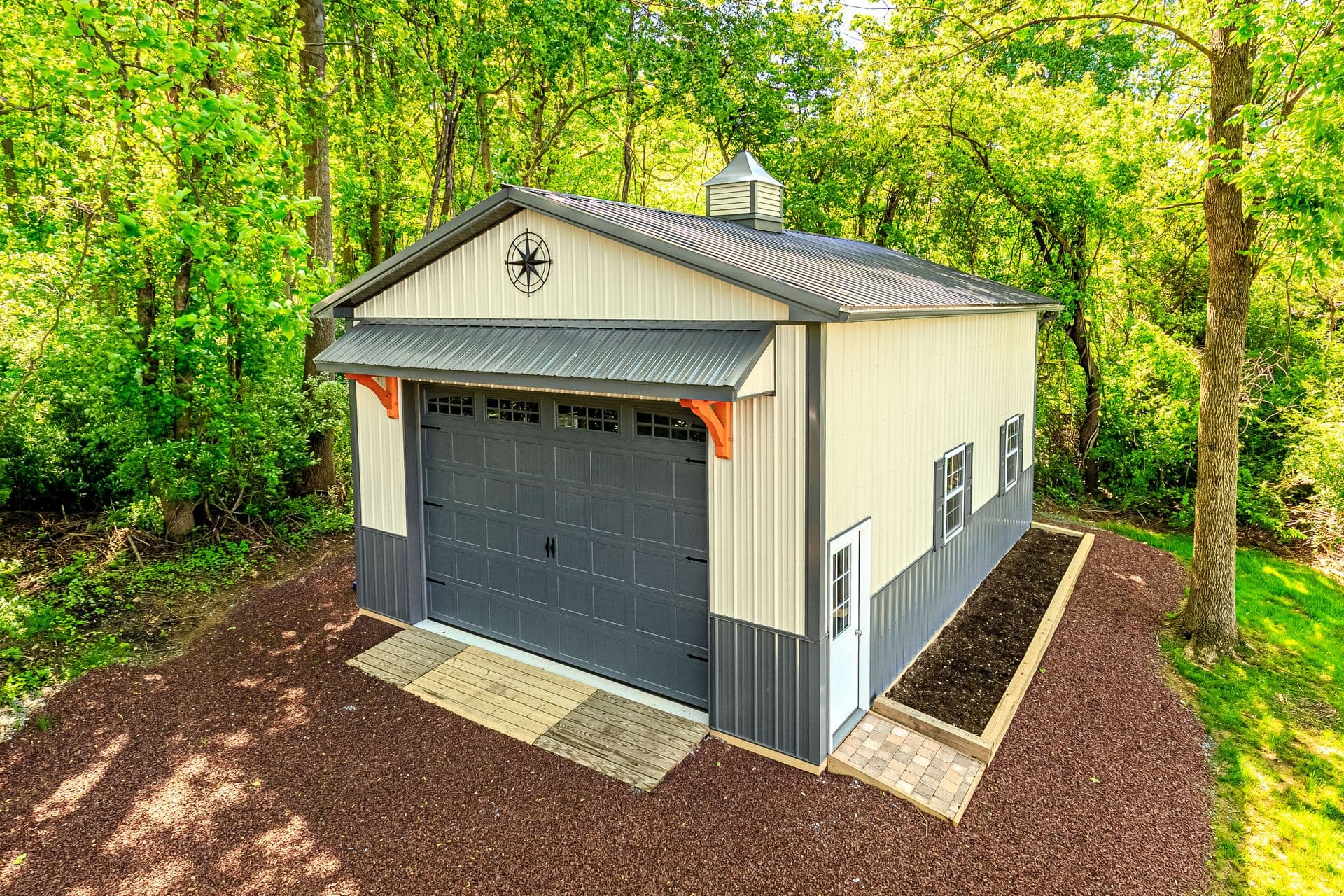
The first step is a phone consultation.
If needed, we will meet with you in person as well!
Contact Us
Holtwood, PA 17532
Monday-Friday 8:00 am - 4:30 pm