
Environmental Forces, Structural Stress, and How Smart Construction
Prevents Problems
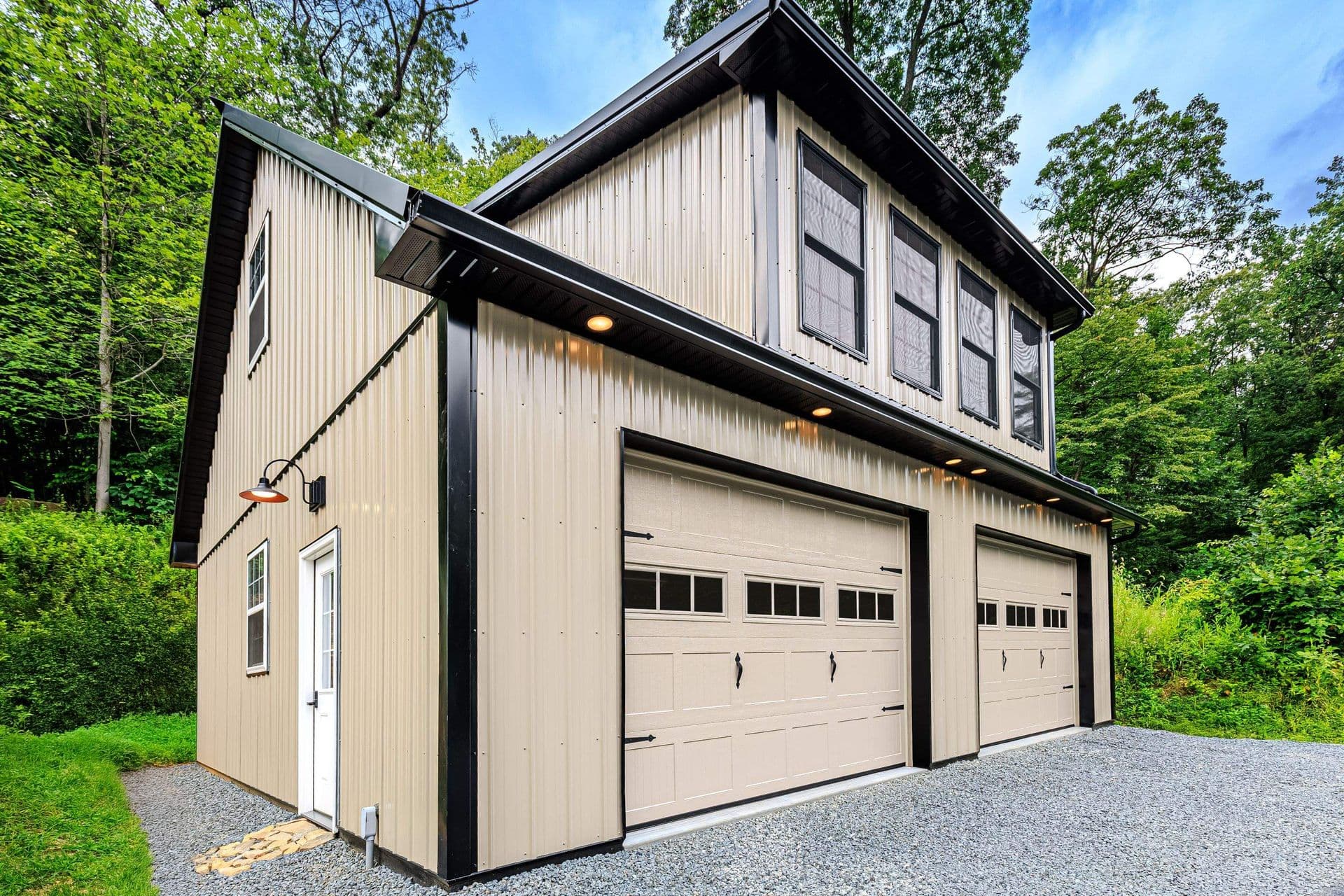
Building a Post Frame Build near the coast
comes with unique advantages. Open land, beautiful views, and proximity to
water make coastal properties incredibly appealing for barndominiums,
workshops, and agricultural buildings.
But coastal environments also introduce
powerful environmental forces that inland structures rarely face.
• Salt-laden air
• High humidity
• Hurricane-force winds
• Corrosive moisture cycles
• Soil instability
These forces constantly interact with the
materials used in your building.
At JJ Builders, designing a structure that
lasts in coastal regions means understanding the science behind how these
environmental conditions affect wood, steel, and foundations.
Let’s break down the key factors you need
to consider when building a Post Frame Build in coastal states and how proper
construction prevents long-term damage.
Salt Air and Metal Corrosion
What Happens Scientifically
Coastal air contains microscopic salt
particles carried inland by wind.
Salt is highly hygroscopic, meaning it
attracts and holds moisture from the air. When salt settles on metal surfaces,
it forms a thin electrolyte layer that accelerates electrochemical corrosion.
This process causes metal components to
oxidize more rapidly than they would in dry environments.
Over time, corrosion can affect:
• Metal siding and roofing panels
• Fasteners and screws
• Structural steel connectors
• Door hardware and hinges
Left unmanaged, corrosion weakens
structural connections and shortens the lifespan of exterior components.
How Prevention Works
Protection against corrosion requires both
material selection and protective coatings.
JJ Builders uses:
• Galvanized or stainless steel fasteners
designed for marine environments
• High quality metal panels with corrosion
resistant coatings
• Factory applied paint systems engineered
for coastal exposure
By isolating metal from salt and moisture
exposure, corrosion rates can be dramatically reduced.
High Humidity and Moisture Saturation
What Happens Scientifically
Coastal regions experience consistently
higher relative humidity than inland areas.
Humidity increases the equilibrium moisture
content of wood. This means wood framing absorbs more water vapor from the air
and remains in a semi saturated state for longer periods.
Extended moisture exposure can lead to:
• Wood swelling and dimensional movement
• Increased risk of fungal growth
• Surface mold development
• Accelerated wood decay
When moisture levels remain above
approximately 20 percent in wood, conditions become favorable for decay fungi
to develop.
How Prevention Works
The goal is to control moisture before it
accumulates inside the building structure.
We incorporate:
• Proper ventilation systems that promote
continuous airflow
• Moisture barriers and vapor retarders
within wall assemblies
• Elevated building designs that keep wood
components away from ground moisture
• Treated lumber for posts and structural
framing
By controlling humidity and preventing
prolonged moisture exposure, wood framing maintains its structural integrity.
Hurricane and High Wind Forces
What Happens Scientifically
Coastal states are more susceptible to
hurricanes, tropical storms, and extreme wind events.
Strong winds create uplift forces on roofs
and lateral forces on walls. When wind flows over a roof surface, it reduces
pressure above the structure, creating a lifting effect similar to an airplane
wing
If not properly engineered, this uplift can cause:
• Roof panels to detach
• Trusses to shift or lift
• Wall systems to rack or collapse
High winds can also carry debris that
impacts siding and structural components.
How Prevention Works
Wind resistance must be engineered into the
structure from the beginning.
JJ Builders incorporates:
• Wind rated post frame engineering based
on regional wind maps
• Deep set structural posts embedded below
frost line
• Reinforced truss to post connections with
hurricane rated hardware
• Metal panel fastener systems designed to
resist uplift forces
By designing the structure to distribute
wind loads safely into the ground, the building remains stable even during
severe storm conditions.
Soil Conditions and Coastal Ground Stability
What Happens Scientifically
Coastal soil often contains high
concentrations of sand or loose sediment.
Unlike dense clay soils, sandy soils
provide less natural cohesion and may shift more easily under load. In some
coastal regions, fluctuating water tables also cause periodic soil saturation.
These conditions can lead to:
• Foundation settling
• Post shifting or tilting
• Uneven structural loads
• Drainage complications
Coastal storms can also rapidly saturate
soil, temporarily reducing its load bearing capacity.
How Prevention Works
Stable structures require careful site
preparation.
JJ Builders prioritizes:
• Soil evaluation before construction
begins
• Proper post depth and anchoring systems
• Compacted gravel bases around structural
posts
• Site grading that directs water away from
the structure
These measures create a stable foundation
even in loose or moisture prone soil conditions.
Flood Risk and Water Intrusion
What Happens Scientifically
Many coastal areas are located within flood
prone zones, especially during heavy storms or storm surge events.
Standing water around a structure can lead
to:
• Wood saturation
• Structural post rot
• Foundation weakening
• Interior water damage
Even occasional flooding can significantly
reduce the lifespan of untreated structural materials.
How Prevention Works
Flood resilience begins with elevation and
water management.
We design coastal Post Frame Builds with:
• Elevated floor systems when necessary
• Proper site drainage and swale systems
• Pressure treated structural posts rated
for ground contact
• Strategic placement above known flood
elevations when possible
Keeping structural materials above water
exposure dramatically improves building longevity.
UV Exposure and Surface Degradation
What Happens Scientifically
Coastal environments often experience
intense sunlight combined with reflective surfaces from water and sand.
Ultraviolet radiation breaks down lignin,
the natural binder that holds wood fibers together.
Over time, this leads to:
• Surface cracking
• Color fading
• Coating deterioration
• Increased vulnerability to moisture
absorption
Metal paint coatings can also degrade
faster when exposed to constant sunlight and salt air.
How Prevention Works
Surface protection is essential in coastal
construction.
JJ Builders uses:
• UV resistant exterior coatings and stains
• Durable metal panel paint systems
• Protective roof overhang designs that
reduce sun exposure
By shielding materials from prolonged UV
exposure, both appearance and durability are preserved.
Why Coastal Construction Requires Smarter Engineering
Building a Post Frame Build in a coastal state is not just about constructing a structure.
It is about designing a building system
that can withstand:
• Humidity
• Salt air
• Powerful winds
• Unstable soils
• Constant environmental exposure
When these factors are understood and
accounted for during the design phase, your building does not just survive
coastal conditions. It performs reliably for decades.
At JJ Builders, we engineer Post Frame
Builds with long term durability in mind, ensuring your investment remains
strong, functional, and beautiful.
Ready to Build a Coastal Ready Post-Frame Build?
If you are planning a Post Frame Build,
barndominium, or post frame building in a coastal region, proper design and
material selection make all the difference.
Contact JJ Builders today to start your
project with a team that understands the science behind building structures
that last.