Choosing a roofing material is one of the most important decisions in any build, and it's also one of the
easiest to get wrong if you're only comparing sticker price. Some materials
cost more upfront but pay for themselves many times over in durability and
lifespan. Others look like a bargain until you factor in how often they need
repair or replacement. We put together a tier list ranking common roofing
materials from best value to skip-it, based on durability, maintenance, lifespan, and overall long-term value.
S-Tier: Standing Seam Metal Roofing
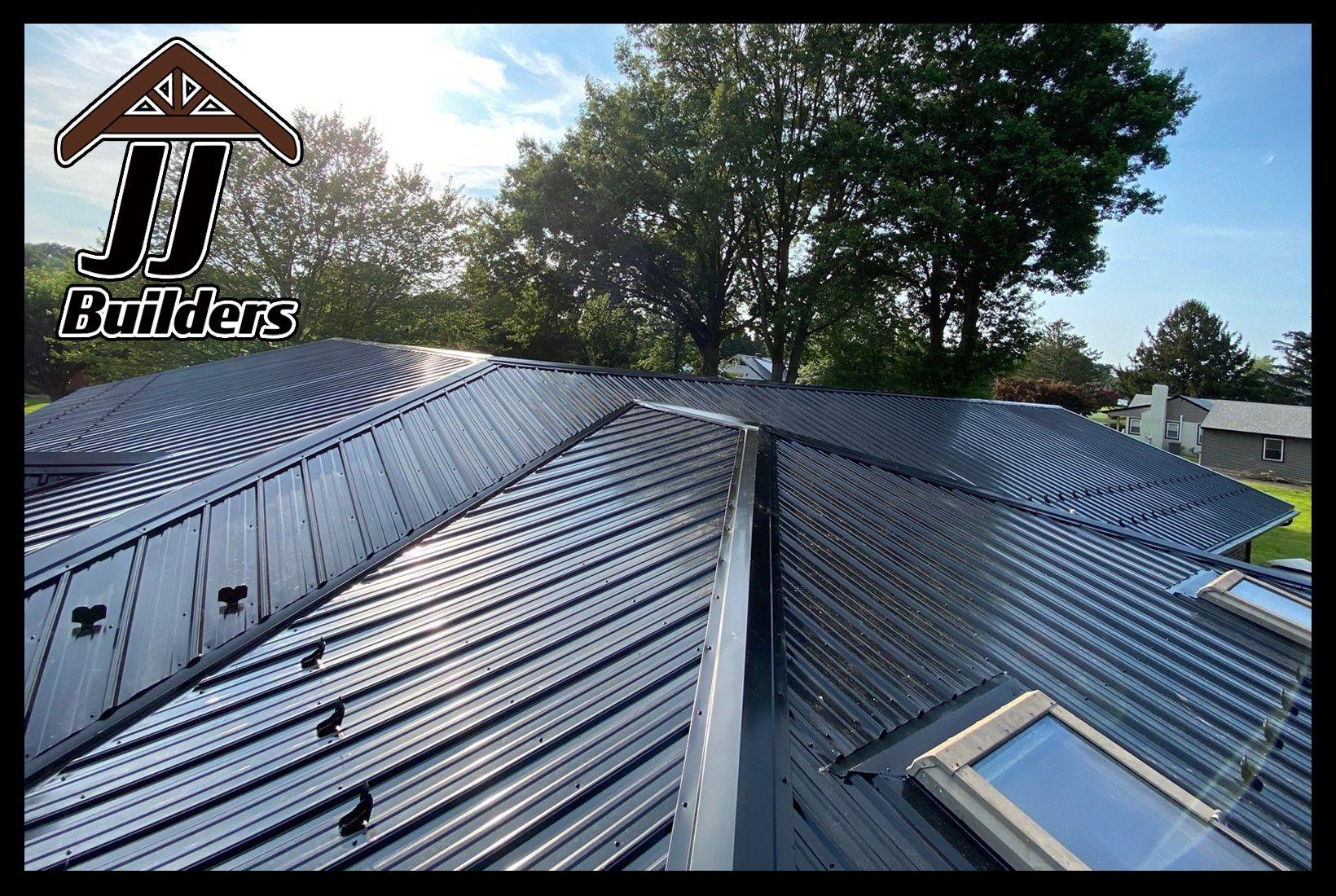
Standing seam metal roofing consistently ranks as the best overall choice, especially for post-frame
construction and barndominiums. It typically lasts 40 to 70 years, sheds snow
and rain efficiently, and holds up well against wind and fire compared to most
other materials. The upfront cost is higher than asphalt shingles, but when you
calculate the cost per year of service, it often works out to be the most
economical option over the life of the home. Maintenance needs are minimal,
mainly periodic inspection of seams and fasteners, which makes it a strong fit
for homeowners who want to install a roof once and not think about it again for decades.
S-Tier: Slate Roofing
Slate is one of the longest-lasting roofing materials available, with a realistic lifespan of 75 to
100+ years when properly installed and maintained. It's naturally
fire-resistant, doesn't fade, and gives a home a distinctive, high-end
appearance. The tradeoff is cost: slate is one of the most expensive roofing
materials on the market, and it requires a structural assessment to confirm the
roof framing can support its weight. For homeowners who plan to stay in a home
indefinitely and prioritize longevity above all else, slate earns its place in
the top tier, but it's a significant investment that isn't practical for every budget or every structure.
A-Tier: Architectural Asphalt Shingles
Architectural, or dimensional, asphalt shingles are a step up from basic 3-tab shingles and represent one of
the best value options for most residential homes. They typically last 25 to 30
years, offer better wind resistance than 3-tab shingles, and come in a wide
range of colors and styles. The cost sits in a comfortable middle ground,
affordable enough for most budgets while still delivering solid durability.
This makes architectural shingles a smart default choice for homeowners who
want a good balance of cost, appearance, and lifespan without committing to a
premium material like metal or slate.
A-Tier: Stone-Coated Steel
Stone-coated steel roofing offers many of the durability benefits of metal roofing, including a 40 to 50
year lifespan and strong resistance to wind, fire, and impact, while mimicking
the look of traditional shingles, tile, or shakes. This makes it a great option
for homeowners who want the performance of metal without a purely industrial
appearance. It costs more than standard asphalt shingles but less than premium
options like slate, positioning it as a strong middle-tier investment for those
who want longevity and curb appeal in one package.
B-Tier: Clay or Concrete Tile
Clay and concrete tile roofing can last 50 years or more and perform especially well in hot, dry, or coastal climates where their thermal properties and resistance to insect damage are a real advantage.
However, tile is heavy, often requiring reinforced roof framing, and it's more
prone to cracking under impact, like hail or falling branches, than metal
roofing. It's a solid option in the right climate and architectural style, such as Spanish or Mediterranean.
B-Tier: 3-Tab Asphalt Shingles
3-tab asphalt shingles are the most budget-friendly roofing option widely available, which makes them
appealing for homeowners with a tight construction or renovation budget. Their
lifespan, typically 15 to 20 years, is noticeably shorter than architectural
shingles or metal roofing, and they offer less wind resistance. They're a
reasonable choice if you're working within a strict budget or don't plan to
stay in the home long-term, but they generally aren't the most cost-effective
option when measured over a longer time horizon.
C-Tier: Wood Shake or Wood Shingles
Wood shake and wood shingle roofing has a distinctive, natural aesthetic that some homeowners love, but it
comes with real downsides that push it into skip-it territory for most builds.
It requires significantly more maintenance than other materials, including
regular treatment to prevent rot, moss, and insect damage, and it carries a
higher fire risk unless treated with fire-retardant products, which adds
further cost. Its lifespan, typically 20 to 30 years with diligent upkeep,
doesn't outperform lower-maintenance alternatives, making it hard to justify
for most homeowners outside of specific historic or aesthetic requirements.
C-Tier: Rolled Roofing
Rolled roofing is one of the least expensive materials available, but that low upfront cost comes with a
short lifespan, typically only 5 to 10 years, and limited durability against
weather and impact. It's generally best suited for low-slope structures like
sheds, workshops, or temporary buildings rather than a primary residence. For
anything you expect to live in or rely on long-term, rolled roofing is rarely
the right choice, since the frequent replacement cost adds up quickly and erases any initial savings.
Final Thoughts
The right roofing material depends on your budget, climate, and how long you plan to stay in your home,
but the tier list is a helpful starting point. If you're building for the long
haul, standing seam metal roofing consistently delivers the best combination of
durability, low maintenance, and long-term value, which is exactly why it's
such a common choice for post-frame builds and barndominiums. Materials further
down the list can still make sense in the right situation, but it's worth going
in with a clear-eyed view of the tradeoffs rather than choosing based on upfront cost alone.
Not Sure Which Roof Is Right for Your
Build?
Every project is different, and the best roofing material for your build depends on your budget, style, and
long-term goals. JJ Builders can walk you through your options and help you
choose a roof that's built to last.
Contact us today to talk through the right roofing material for your next project.